
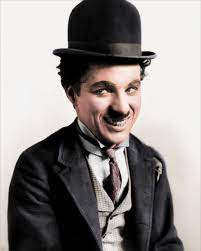
CHARLIE CHAPLIN
full biography/family/tragedy and more
Introduction:
Charlie Chaplin, born on April 16th, 1889, was an iconic figure of the early 20th century. He was an actor, comedian, filmmaker, and composer, known for his timeless performances and contributions to the world of cinema. His unique style of physical comedy, facial expressions, and distinctive hat and cane have become synonymous with the silent film era.
Chaplin’s career spanned over 75 years, during which he made over 80 films and became one of the most influential figures in the entertainment industry. His work continues to inspire and influence generations of artists, and his legacy has cemented him as one of the greatest entertainers of all time.

Early Life and Education:
Charles Spencer Chaplin was born in London, England, to music hall performers Charles Chaplin Sr. and Hannah Chaplin. Chaplin’s parents separated when he was just a child, and he and his younger brother Sydney were left in the care of their mother.
Growing up in poverty, Chaplin’s childhood was filled with hardships and struggles. He attended school sporadically and worked various odd jobs to help support his family. However, Chaplin’s natural talent for performing soon became apparent, and he began to develop a keen interest in the theater.
At the age of 14, Chaplin joined a group of young performers called the Eight Lancashire Lads, and they toured around the country performing in music halls. It was during this time that Chaplin began to hone his skills as a comedian and physical performer.
Career:
In 1913, Chaplin was signed to the Keystone Film Company and began his career in the movies. It was during this time that he developed his iconic character “The Tramp,” a lovable and hapless character with a distinctive walk and mustache.
Over the next few years, Chaplin starred in a series of short films for Keystone, including “The Kid Auto Races at Venice,” which marked the first appearance of the Tramp character. In 1915, he left Keystone and signed with the Essanay Film Company, where he made a series of films that further established his reputation as a comedic genius.
In 1916, Chaplin signed with the Mutual Film Corporation, where he made some of his most famous films, including “The Immigrant” and “The Vagabond.” It was also during this time that he began to take more control over the production of his films, writing, directing, producing, and composing music for many of them.
In 1919, Chaplin co-founded United Artists with Mary Pickford, Douglas Fairbanks, and D.W. Griffith. This new studio allowed Chaplin to have complete creative control over his films and gave him the financial freedom to pursue his artistic vision.
Chaplin continued to make films throughout the 1920s and 1930s, including the classics “City Lights” and “Modern Times.” However, as the film industry transitioned to sound, Chaplin resisted the change and continued to make silent films until 1940 when he finally made his first sound film, “The Great Dictator.”
Tragedy and Controversy:
Despite his success, Chaplin’s personal life was plagued by tragedy and controversy. He was married four times and had several high-profile affairs. His second wife, Lita Grey, was just 16 years old when they married, and their tumultuous relationship ended in a messy divorce.
Chaplin also became embroiled in a scandal involving a paternity suit filed by actress Joan Barry, who claimed that he was the father of her child. The case dragged on for years and caused a media frenzy, ultimately resulting in Chaplin being barred from re-entering the United States in 1952.