
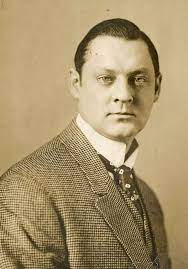
Lionel Barrymore
Lionel Barrymore was an American actor, director, and producer, best known for his roles in classic films such as “It’s a Wonderful Life” and “Grand Hotel.” Despite suffering from a debilitating illness that confined him to a wheelchair in later life, Barrymore continued to work and remain active in the entertainment industry, earning widespread acclaim for his contributions to the field of film.
Early Life and Education
Lionel Barrymore was born on April 28, 1878, in Philadelphia, Pennsylvania. He was the eldest son of stage actors Maurice Barrymore and Georgiana Drew Barrymore, and his siblings, Ethel and John, would also go on to become successful actors.
Barrymore grew up in a theatrical family and was exposed to acting from a young age. He attended several schools in the Philadelphia area before moving with his family to England when he was a teenager. While in England, he continued his education and also began studying acting with prominent theater instructors.
Career Beginnings
Barrymore’s career in entertainment began in the early 1900s when he started working as a stage actor in New York City. He quickly gained a reputation for his dramatic abilities and was soon being cast in leading roles in major productions.
In 1911, Barrymore made his film debut in the silent film “The Battle.” He continued to act in both films and stage productions throughout the 1910s and 1920s, earning critical acclaim for his performances.
Breakthrough Role
Barrymore’s breakthrough role came in 1931 when he was cast in the film “A Free Soul.” His performance as the alcoholic defense lawyer, Stephen Ashe, earned him widespread acclaim and a nomination for the Academy Award for Best Actor.
Further Success
Following the success of “A Free Soul,” Barrymore went on to appear in several other classic films, including “Grand Hotel,” “Dinner at Eight,” and “Camille.” He also continued to work in theater and radio, becoming a regular performer on the popular radio program “The Rudy Vallee Show.”
Illness and Later Life
In the mid-1930s, Barrymore began to experience health problems that would eventually lead to him being confined to a wheelchair. Despite this setback, he continued to work in the entertainment industry, directing and producing films and appearing in supporting roles in movies such as “You Can’t Take It with You” and “Key Largo.”
Barrymore’s condition did not stop him from being active in his personal life, either. He remained an avid painter and writer, often using his art to express his emotions and reflect on his life experiences.
Legacy
Lionel Barrymore’s contributions to the entertainment industry were vast and varied, spanning more than five decades. He was known for his ability to play a wide range of characters, from the dramatic to the comedic, and his performances were often praised for their depth and complexity.
In addition to his work as an actor, Barrymore also made significant contributions as a director and producer, helping to shape the course of American cinema in the early decades of the 20th century.
Tragedy
Despite his many successes, Lionel Barrymore was not immune to tragedy. His younger sister, Ethel, died in 1959, and his brother, John, passed away just two years later. These losses were devastating for Barrymore, who had been close to both siblings throughout his life.
Final Years
Barrymore’s health continued to decline in his final years, and he passed away on November 15, 1954, at the age of 76. Despite his illness and the challenges he faced, he remained a beloved figure in Hollywood and is remembered today as one of the greatest actors of his generation.
Conclusion
Lionel Barrymore