
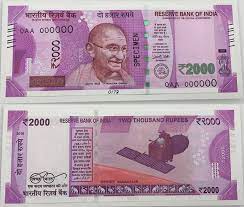
RBI Bans ₹2000 Note – A Significant Move Towards a Digital Economy
In a major move towards a cashless economy, the Reserve Bank of India (RBI) has banned the circulation of ₹2000 notes and has ordered banks to withdraw them before September 30. This decision comes as a surprise to many, as the ₹2000 note was introduced in November 2016 after the government’s demonetization move.
The main motive behind demonetization was to curb the black money menace and promote digital transactions. However, the circulation of ₹2000 notes went against the very objective, as it facilitated hoarding of cash and made it difficult to track the flow of money in the economy. With the withdrawal of ₹2000 notes, the RBI is taking a step towards curbing the circulation of black money.
Moreover, the move towards a digital economy has gained momentum in the wake of the COVID-19 pandemic. With the need for contactless transactions, digital payments have become more popular than ever before. The RBI’s decision to ban ₹2000 notes and promote digital transactions will further accelerate the growth of digital payments in the country.
Many experts believe that the withdrawal of ₹2000 notes is a significant move towards making India a cashless economy. Though there might be some challenges in the short term, this decision will bring long-term benefits, such as reducing the circulation of black money, promoting transparency in financial transactions, and boosting economic growth.
In conclusion, the RBI’s decision to ban the circulation of ₹2000 notes is a significant step towards a digital economy. It is an important move towards curbing black money, promoting transparency in financial transactions, and accelerating the growth of digital payments in the country. With this step, India is moving towards a more efficient, transparent, and digital economy.