
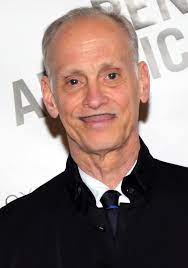
John Waters
John Waters is an American filmmaker, writer, and visual artist who has been challenging the norms of mainstream society for more than four decades. His work is often characterized by a provocative and subversive style, and he has gained a reputation as one of the most important figures in independent cinema. Waters has also been a prominent advocate for LGBT rights and has been an influential voice in the cultural and social movements of his time. In this blog post, we will delve into the life and achievements of John Waters, exploring his childhood, education, career, and legacy.
Early Life and Education
John Waters was born on April 22, 1946, in Baltimore, Maryland. He was the second of three children born to John Samuel Waters Sr. and Patricia Ann Waters. His father was a manufacturer of fire-protection equipment, while his mother was a homemaker. Waters grew up in a middle-class household and attended a Catholic elementary school before transferring to a public high school. He was an avid reader from a young age and developed an early interest in cinema.
Waters attended New York University in the mid-1960s but dropped out after only a semester. He returned to Baltimore and began making short films with his friends, including Divine, who would become a frequent collaborator. Waters later attended the University of Maryland, where he graduated with a degree in English in 1968.
Career Beginnings
Waters’ career in filmmaking began in the late 1960s when he began making low-budget, underground films with his friends. His early work, which included titles such as “Hag in a Black Leather Jacket” and “Eat Your Makeup,” was notable for its subversive and transgressive nature. Waters often explored taboo subjects such as homosexuality, drug use, and murder, and his films were notorious for their explicit content.
In 1972, Waters released his first feature-length film, “Pink Flamingos,” which quickly gained a cult following. The film, which starred Divine as the infamous “filthiest person alive,” was a shocking and satirical exploration of the limits of good taste. Waters followed up with a series of successful films, including “Female Trouble” (1974), “Desperate Living” (1977), and “Polyester” (1981). These films solidified Waters’ reputation as a provocative and boundary-pushing filmmaker.
Mainstream Success
In the mid-1980s, Waters began to attract a wider audience with his films “Hairspray” (1988) and “Cry-Baby” (1990). These films marked a departure from Waters’ earlier work and were more family-friendly, while still retaining his trademark sense of humor and irreverence. “Hairspray” was later adapted into a successful Broadway musical and a Hollywood film starring John Travolta.
Waters continued to work in a variety of media throughout the 1990s and 2000s. He published several books, including “Shock Value: A Tasteful Book About Bad Taste” (1981) and “Crackpot: The Obsessions of John Waters” (1986). He also directed a number of films, including “Serial Mom” (1994) and “A Dirty Shame” (2004), and appeared in a variety of television shows and films.
Social and Political Activism
Throughout his career, Waters has been an outspoken advocate for social and political causes. He has been a prominent supporter of LGBT rights and has been an influential voice in the fight for marriage equality. He has also been involved in a variety of other causes, including prison reform, animal rights, and environmentalism.
In addition to his activism, Waters has been a cultural icon and an influence on a variety of other artists. His work has been celebrated